
Showing 1–12 of 13 results
-
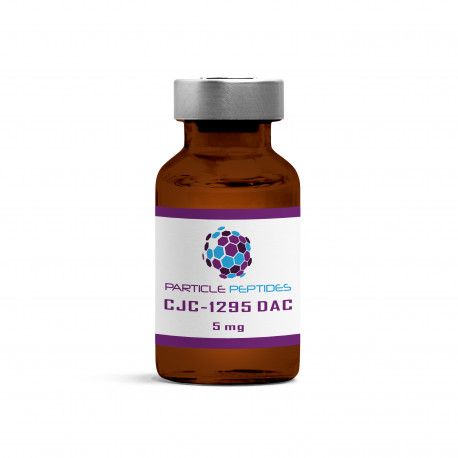
CJC-1295 + DAC 5mg
€66.99CJC-1295+DAC is one of modified synthetic analogues of growth hormone releasing hormone (GHRH). It acts as a growth hormone (GH) secretagogue stimulating levels of GH and insulin-like growth factor 1 (IGF-1), while preserving GH pulsatility. This stimulation in turn is the basis for its effects confirmed in various studies in animals and humans. This peptide contains an additive called DAC – Drug Affinity Complex, which is added to the CJC-1295 molecule via a lysine linker, and provides protection during circulation in the bloodstream. The DAC enhances the pharmacokinetics of the peptide, and allows it to bind to the blood protein albumin, thereby extending the half-life of CJC-1295 relative to other similar analogue molecules and natural GHRH itself.
-
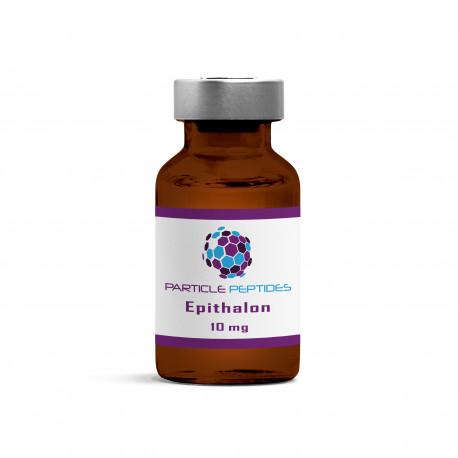
Epithalon 10mg
€41.99Epithalon – a synthetic tetrapeptide, a derivative of epithalamine – bovine pineal gland extract, is considered a potential activator of the enzyme telomerase, which protects and maintains telomere caps at the end of DNA chromosomes. Research is primarily devoted to its ability to fight against the effects of aging, as well as life extension, especially through the process of lengthening telomeres – the end parts of eukaryotic chromosomes. Except of anti-aging effects of this short regulatory peptide, there are also possible anti-tumor, DNA activating or skin cell regenerative properties.
-
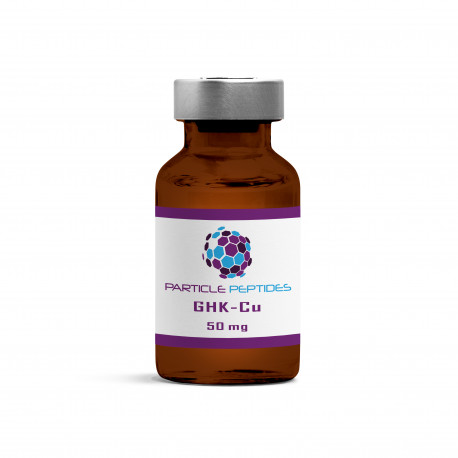
GHK-Cu 50mg
€67.99GHK-Cu (Copper Peptide), a naturally occurring peptide composed of three amino acids (glycyl-L-histidyl-L-lysine), has been extensively studied for its potential in wound healing, tissue regeneration, and skin rejuvenation. It stimulates blood vessel and nerve outgrowth and increases collagen, elastin, and glycosaminoglycan synthesis. GHK-Cu supports the function of dermal fibroblasts, contributing to improved tissue repair in various organs, including the skin, lungs, bones, liver, and stomach lining. Additionally, GHK-Cu exhibits powerful cell protective actions, such as anti-cancer and anti-inflammatory effects, lung protection, suppression of aging-related molecules like NFκB, and enhancement of DNA repair and cell cleansing via the proteasome system.
-
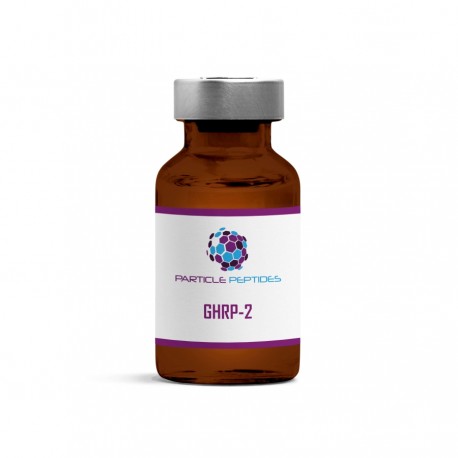
GHRP-2 5mg
€25.99Peptide GHRP-2, also known as pralmorelin, is a synthetic hexapeptide, one of the first growth hormone secretagogues, that is known for its muscle growth increasing, ghrelin stimulating, immune system strengthening or sleep improving properties shown in numerous researches. GHRP-2 activates the release of growth hormone (GH) by binding to the growth hormone secretagogue receptor. It is also an agonist of ghrelin, discovered gut hormone, which is able to stimulate GH secretion and appetite initiation.
-
Healing and Regeneration research, Longevity and Anti-aging Research, Muscle Growth Research, Sleep Enhancement Research
GHRP-6 5mg
€25.99Peptide GHRP-6, also known as growth hormone-releasing peptide 6, is a synthetic hexapeptide that specifically stimulates natural growth hormone release from the anterior pituitary gland by pituitary somatotrophs. It acts by binding to ghrelin receptors and mimics the effects of ghrelin – natural endogenous hormone. It has been researched for several functions and effects as memory improvement, enhancement of tissue viability, scars regeneration, heart function or Parkinson’s disease neurons protection.
-
Healing and Regeneration research, Longevity and Anti-aging Research, Muscle Growth Research, Sleep Enhancement Research
Hexarelin 5mg
€29.99Hexarelin, also known as Examorelin, is a synthetic GH releasing hexapeptide, which activates growth hormone secretagogue receptor (GHSR) in the brain area. It is also ghrelin analog, similarly to other peptides such as GHRP-6. Beyond GH release and neuroendocrine effects, hexarelin might have also direct cardiovascular actions and cardioprotective effects. Compared with ghrelin, this peptide is chemically more stable and functionally more potent, therefore it could be potential future therapeutic medium. It can also improve fat measures and protect muscles.
-
Healing and Regeneration research, Longevity and Anti-aging Research, Muscle Growth Research, Sleep Enhancement Research
Ipamorelin 5mg
€29.99Ipamorelin represents a synthetic pentapeptide derived from GHRP-1, which has a very potent growth hormone (GH) releasing properties with efficacy and potency comparable to GHRP-6, both in vitro and in vivo. Unlike other GH secretagogues, ipamorelin very surprisingly does not induce a significant increase in adrenocorticotropic hormone (ACTH) or cortisol levels. This selectivity is crucial, as many other GH secretagogues also stimulate the release of ACTH and cortisol, which can lead to unwanted side effects. It also increases bone mineral content, production of IGF-1 and insulin or muscle growth.
-
LL-37 5mg
€79.99LL-37, also known as CAP-18, is the only known human cathelicidin—an antimicrobial peptide with a critical role in innate immunity. It exhibits a broad range of biological activities, including antibacterial, antiviral, immunomodulatory, and anti-inflammatory properties. LL-37 is the subject of intensive biomedical research and has been found to play a significant role in autoimmune diseases, cancer, and wound healing.
-
Healing and Regeneration research, Longevity and Anti-aging Research, Muscle Growth Research, Sleep Enhancement Research
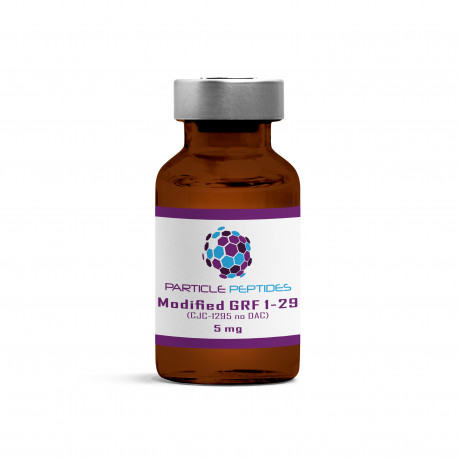
Mod GRF 1-29 (CJC-1295 no DAC) 5mg
€49.99Mod GRF 1-29 is a synthetic peptide identical to CJC-1295 without DAC compound. It is truncated analogue of growth hormone releasing hormone (GHRH), which was developed in 1980s from original GRF 1-29, but with purposefully prolonged half-life to ensure better therapeutical use. This modified version was shown to have similar or even the same effects as GHRH, including muscle and bone growth, wound healing, fat burning or positive effects on heart functions, metabolism or immune system.
-
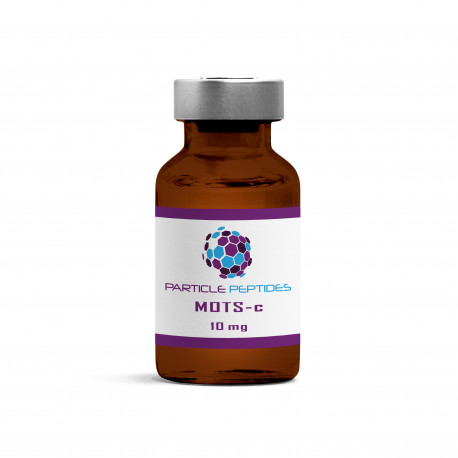
MOTS-c 10mg
€42.99MOTS-c is a small peptide derived from mitochondrial genome. During metabolic stress, it moves to the nucleus to regulate the expression of nuclear genes, promoting cellular balance. It is co-expressed in various tissues with mitochondria, and found in plasma, though its levels decline with age. MOTS-c, discovered by researchers at the University of Southern California around 2012, improves glucose metabolism in skeletal muscle, suggesting benefits for diabetes, obesity, and aging. This peptide is being studied for its potential in treating cardiovascular disease, insulin resistance, and inflammation. Studies also explore molecular mechanisms and therapeutic potentials, suggesting synthetic biology as a new approach for developing and applying MOTS-c.
-
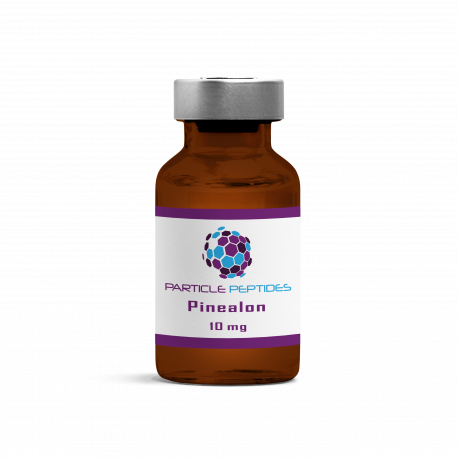
Pinealon 10mg
€49.99Pinealon is a synthetic peptide composed of three amino acids (glutamic acid, aspartic acid, and arginine), classified as a bioregulator. As a bioregulator, it influences biological processes in the body, particularly in the areas of neuroprotective effects, memory, learning, and neuron protection. Pinealon has shown potential in the treatment of cognitive disorders such as Alzheimer’s disease and may improve circadian rhythm and the brain’s resistance to oxidative stress. Its ability to cross the blood-brain barrier makes it effective in supporting brain functions.
All presented information is based on scientific pub -
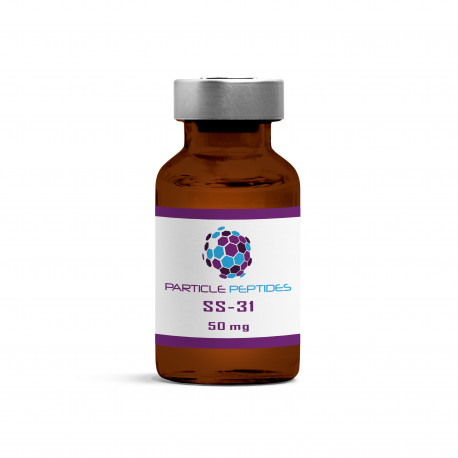
SS-31 50mg
€194.99SS-31 (Elamipretide) is a synthetic tetrapeptide designed to support mitochondrial function. It selectively binds to cardiolipin in the inner mitochondrial membrane, thereby stabilizing mitochondrial structure and optimizing cellular energy (ATP) production. It is being investigated in the context of therapies for heart failure, mitochondrial diseases, and neurodegenerative conditions.